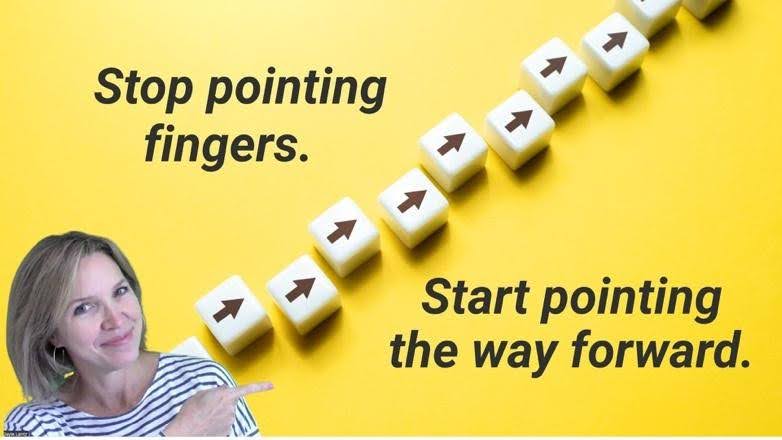
When something goes wrong at work, the first question people usually ask is “whose fault is this?” Gayle Lantz makes the case that this is the wrong place to start.
Blame feels satisfying in the moment; it simplifies a messy situation and lets us point to a single culprit. But as Gayle explains, most problems today aren’t caused by one person or one bad decision. They’re the result of a tangle of factors: unclear expectations, broken processes, shifting priorities, and incomplete information.
She walks through the different disguises blame can take, blaming people, blaming “the system,” blaming circumstances, and blaming a vague “them” and unpacks why our brains reach for blame so instinctively in the first place. As Gayle puts it, “Blame simplifies, curiosity investigates.”
This isn’t about lowering the bar or letting poor performance slide. It’s about the difference between accountability that moves people forward and blame that just makes them defensive, and afraid to raise their hand next time. And there’s one more person on Gayle’s list who needs to hear this episode: the leader who’s a little too quick to blame themselves.
This episode covers:
- Why “whose fault is this?” is the wrong first question
- Four common forms of blame leaders fall into (people, systems, circumstances, and “them”)
- The psychology behind why blame feels so instinctive
- The real cost of a blame culture and why it makes problems harder to surface
- Five tips for shifting from blame to leadership
- How to interrupt the blame game when you see others playing it
- Why self-reflection is healthy, but self-blame is not.
LINKS
Previous CEO On The Go Episodes:
Chaotic Motion: The Surprising Art of Creating What’s Next #321
Enter the TomorrowZone: How Leaders Can Create What’s Next with Deborah Reuben #320